As temperatures rise across Bromley, Croydon and the wider South London area, keeping your home cool and comfortable can quickly become a challenge. While many homeowners immediately think of fans or air conditioning, the real foundation of comfort in warmer months lies in effective home ventilation solutions. Done properly, ventilation not only helps regulate temperature, but also supports healthier living conditions and long-term energy efficiency.
With over 35 years’ experience improving homes throughout the South East, we’ve seen first-hand how the right approach to residential ventilation can transform day-to-day comfort — without unnecessary expense or disruption.
The role of ventilation in thermal comfort
Thermal comfort is about more than just the reading on a thermostat. It’s influenced by temperature, humidity, and air movement. Proper air circulation allows warm, stale air to escape and cooler, fresher air to enter, helping to regulate indoor temperatures naturally. Even a gentle movement of air can make a room feel several degrees cooler, improving comfort in warmer months without mechanical cooling.
Humidity is equally important. According to the UK Health Security Agency, indoor humidity levels should ideally remain between 40% and 60% to support comfort and health. Excess moisture can leave rooms feeling stuffy and oppressive, while also increasing the risk of condensation and mould growth. Thoughtfully designed ventilation systems assist with effective humidity control, protecting both your property and your wellbeing.
Types of home ventilation solutions
There are several types of home ventilation solutions available, and the right choice depends on your property’s layout, age and existing features.
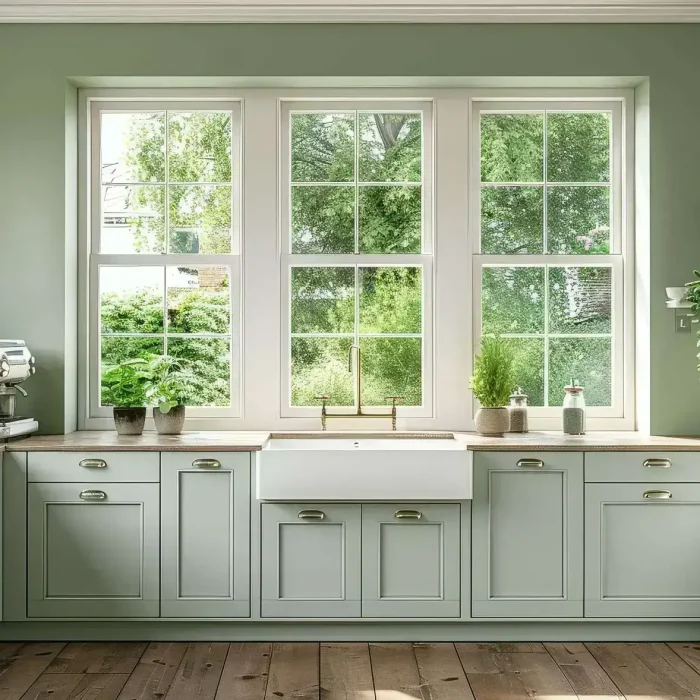
Natural ventilation relies on windows, trickle vents and carefully positioned openings to encourage airflow. This is often a straightforward and energy-efficient solution, particularly in traditional homes across Bromley and Croydon where window placement allows for cross-ventilation. Strategic opening of windows during cooler mornings and evenings can significantly improve air flow optimisation.
Mechanical ventilation, on the other hand, uses fans or whole-house systems to actively move air in and out. These systems are especially useful in modern, well-insulated properties built to meet current building regulations, where airtight construction can limit natural air movement. Mechanical options provide consistent, controlled air ventilation solutions that suit extensions, loft conversions and new builds alike.
Each approach offers benefits, and in many cases a tailored combination provides the best results. As a family-run home improvement company, we always recommend bespoke options designed around how you actually live in your home.
How ventilation contributes to indoor air quality
Indoor air quality is an increasingly important consideration. The Royal College of Physicians has reported that indoor air pollution can have significant health impacts, particularly for children, older adults and those with respiratory conditions.
Effective ventilation systems help remove indoor pollutants such as cooking fumes, cleaning chemicals and airborne particles. By encouraging regular air exchange, they support the reduction of allergens including dust mites and pollen — particularly relevant during spring and summer in leafy South London suburbs.
Good ventilation also prevents the build-up of stale air, contributing to a fresher, healthier living environment. Quite simply, clean, well-circulated air enhances overall wellbeing and creates a more pleasant atmosphere throughout the home.
Energy efficiency and ventilation
It may seem counterintuitive, but improving ventilation can actually reduce energy use. When airflow is properly managed, homes are less reliant on energy-hungry cooling appliances. According to the Energy Saving Trust, careful use of ventilation and shading can significantly reduce the need for air conditioning in UK homes.
By investing in considered home ventilation solutions, you can create a naturally cooler indoor environment and lower electricity consumption at the same time. This not only reduces monthly bills, but also supports the move towards more eco-friendly homes — something many homeowners in our area are increasingly conscious of.
Tips for improving home ventilation
There are several practical steps you can take to enhance ventilation and maintain comfort during warmer months:
Open windows on opposite sides of your property to encourage cross-breezes, particularly during early mornings and late evenings. Keep internal doors ajar to improve air circulation between rooms. Ensure trickle vents are clean and unobstructed. In kitchens and bathrooms, check that extractor fans are functioning correctly to manage humidity levels.
Regular home maintenance is key. Even the most effective ventilation systems require periodic checks to ensure they continue performing as intended. If you are planning wider croydon home improvements — such as new windows, doors or an extension — it’s wise to consider ventilation at the design stage.
We’re proud to have been improving homes across South London for over 35 years, with all work carried out by our directly employed, experienced tradesmen. As FENSA founder members and Which? Trusted Traders, we adhere to the highest industry standards and remain readily available should you ever need aftercare support.
If you’d like straightforward advice or professional installation services tailored to your property, get in touch with us online or visit our Croydon showroom. After all, isn’t your home’s comfort worth getting right before the next heatwave arrives?